A House Between
Two Centuries
This house is one of them.
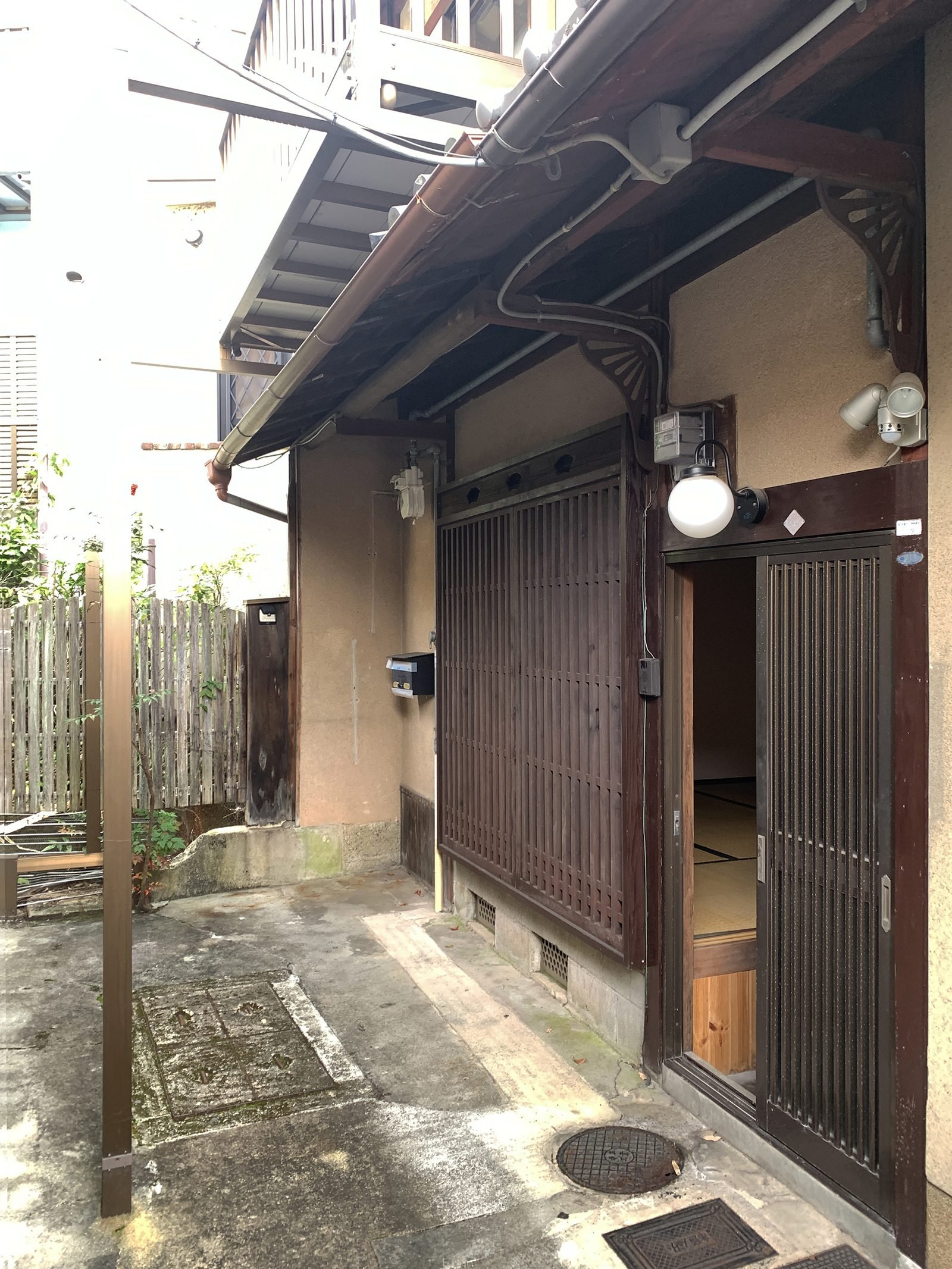
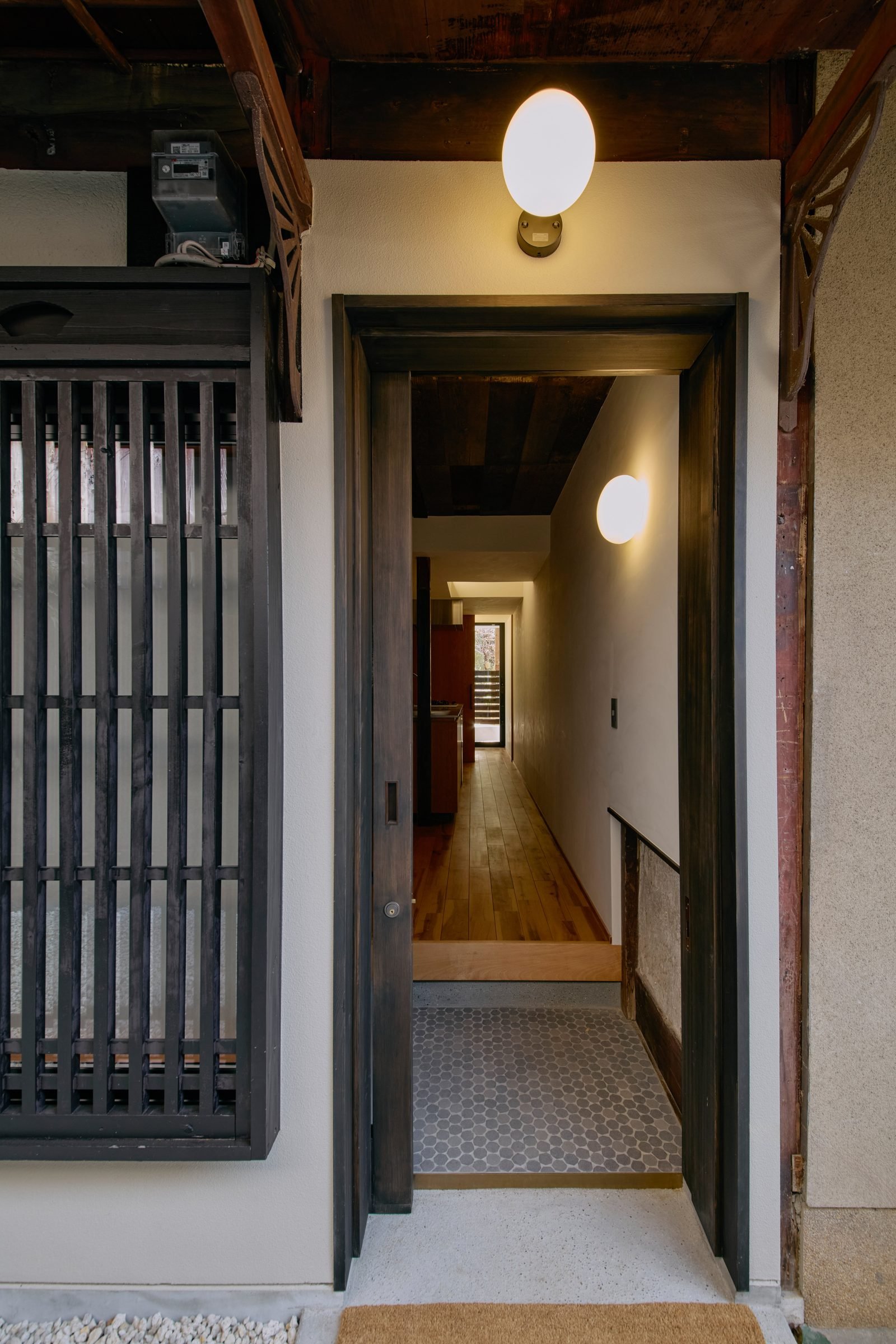
Built in 1929, during the early Shōwa period, likely for an artisan or temple-adjacent family in Higashiyama. Nestled along Kyoto’s eastern hills, Higashiyama is one of the city’s most historically preserved districts — a quiet quarter of temples, pilgrimage routes, and craft traditions that has remained largely intact since the pre-war era. Unlike the merchant machiya of central Kyoto, this home was never designed for shopfront trade — its higher ceilings, generous vertical volume, and substantial timber structure reflect a residential life shaped by that proximity.
The house forms part of a traditional row of townhouses, sharing a party wall with its neighbor — a defining feature of Kyoto's historic urban fabric that speaks to a communal way of building and living that has nearly vanished from the modern city.
To restore a machiya is not to freeze it in time, but to listen carefully to what the house already knows — and to respond with humility.
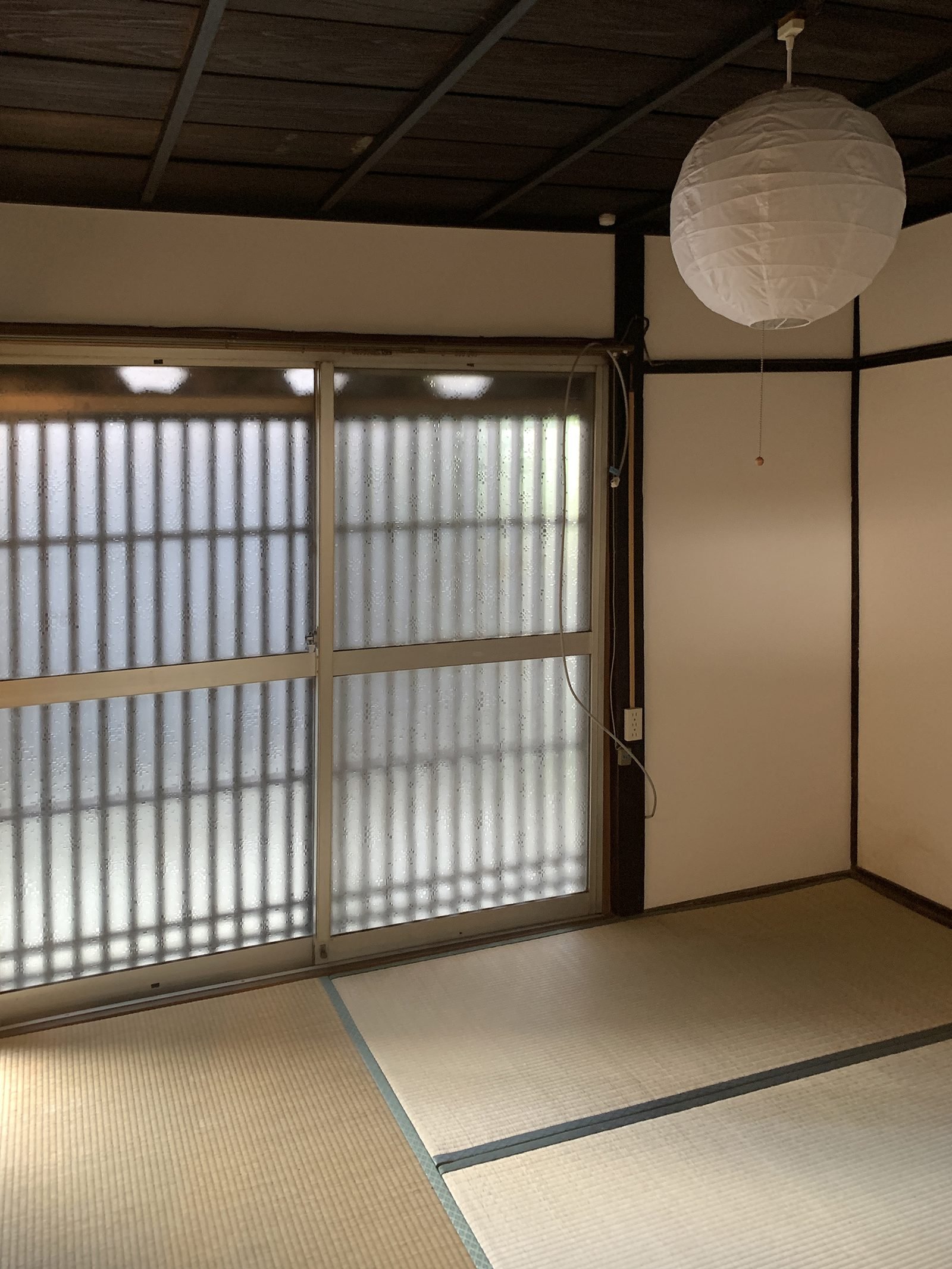
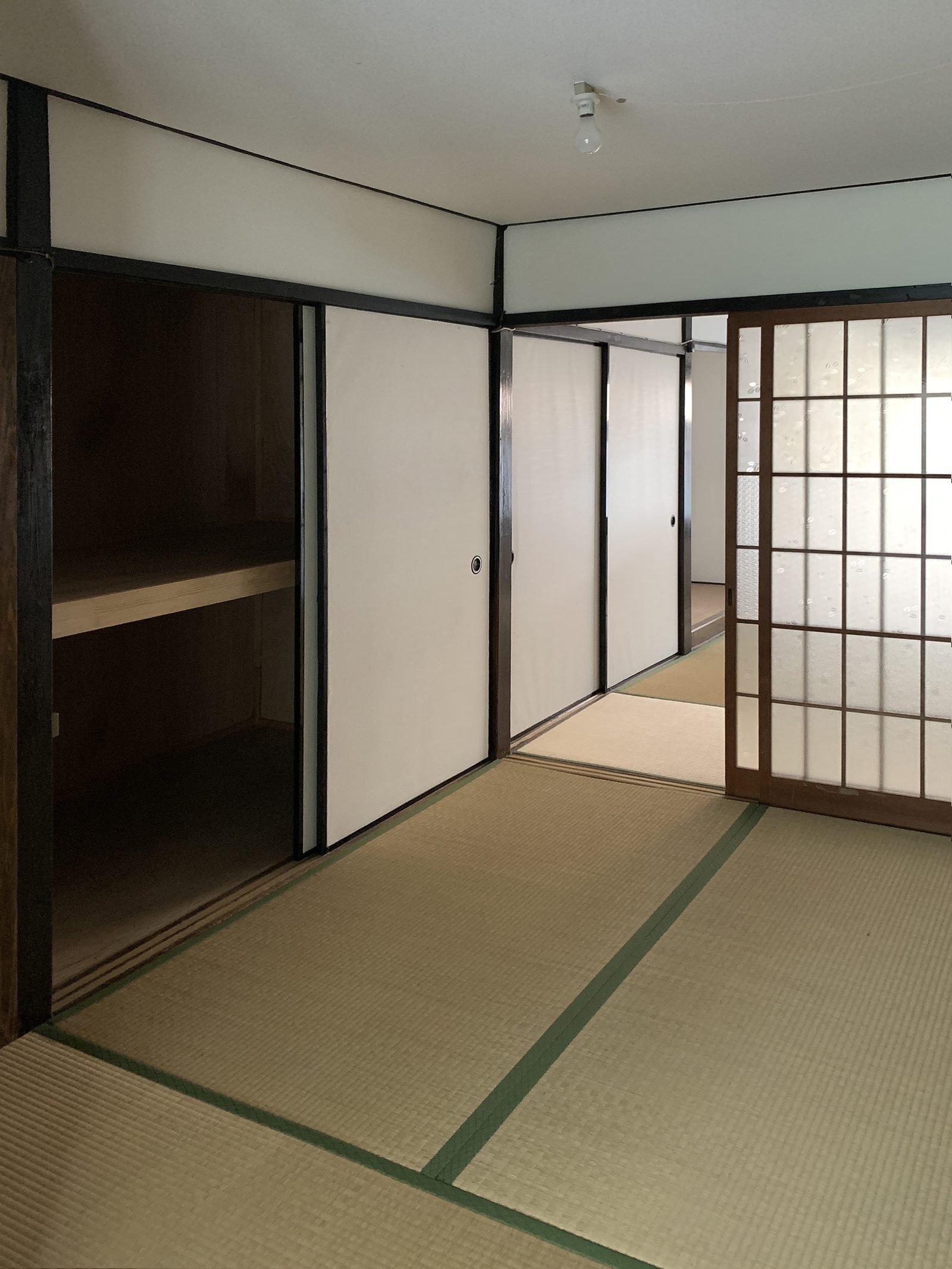
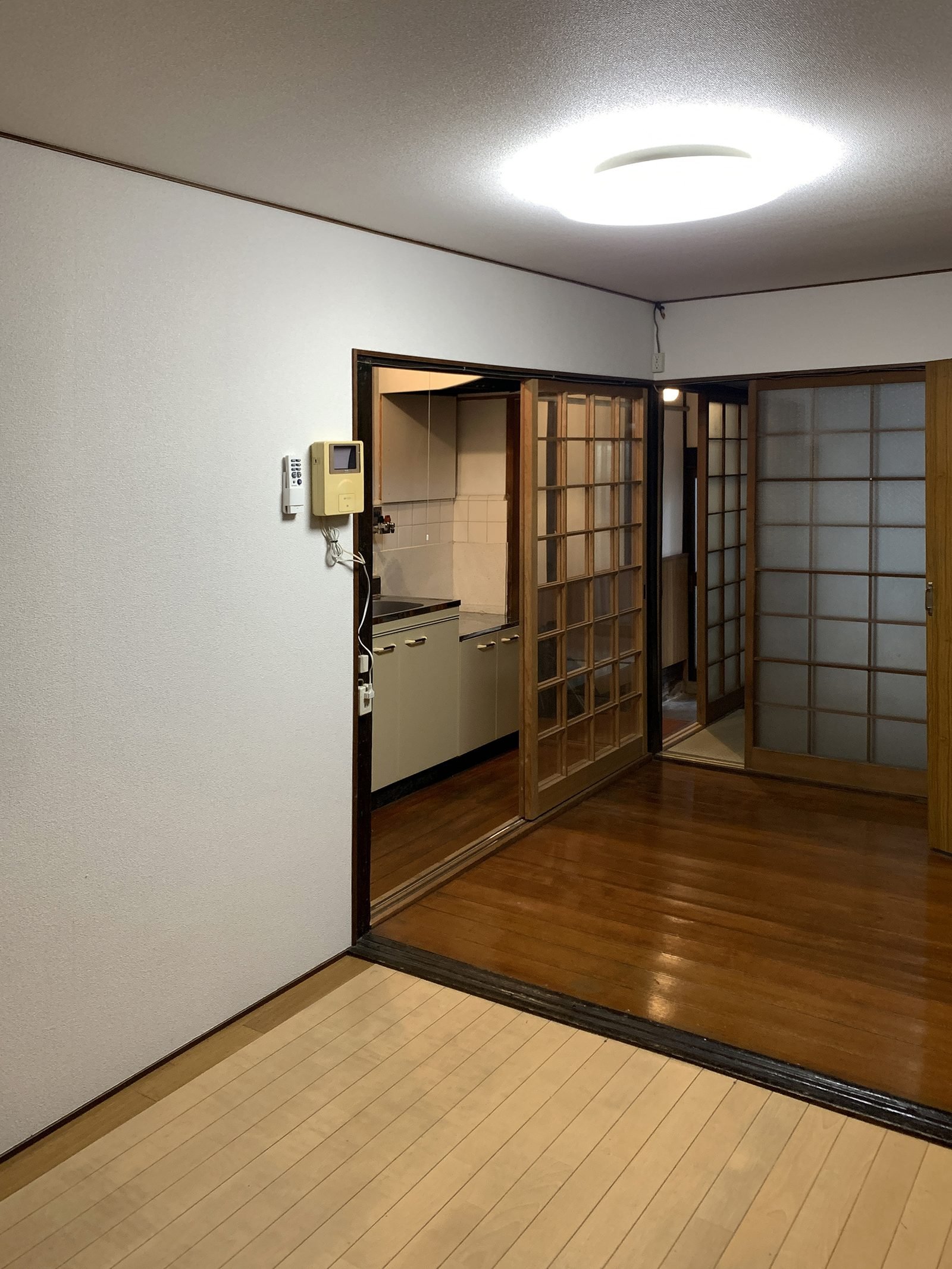
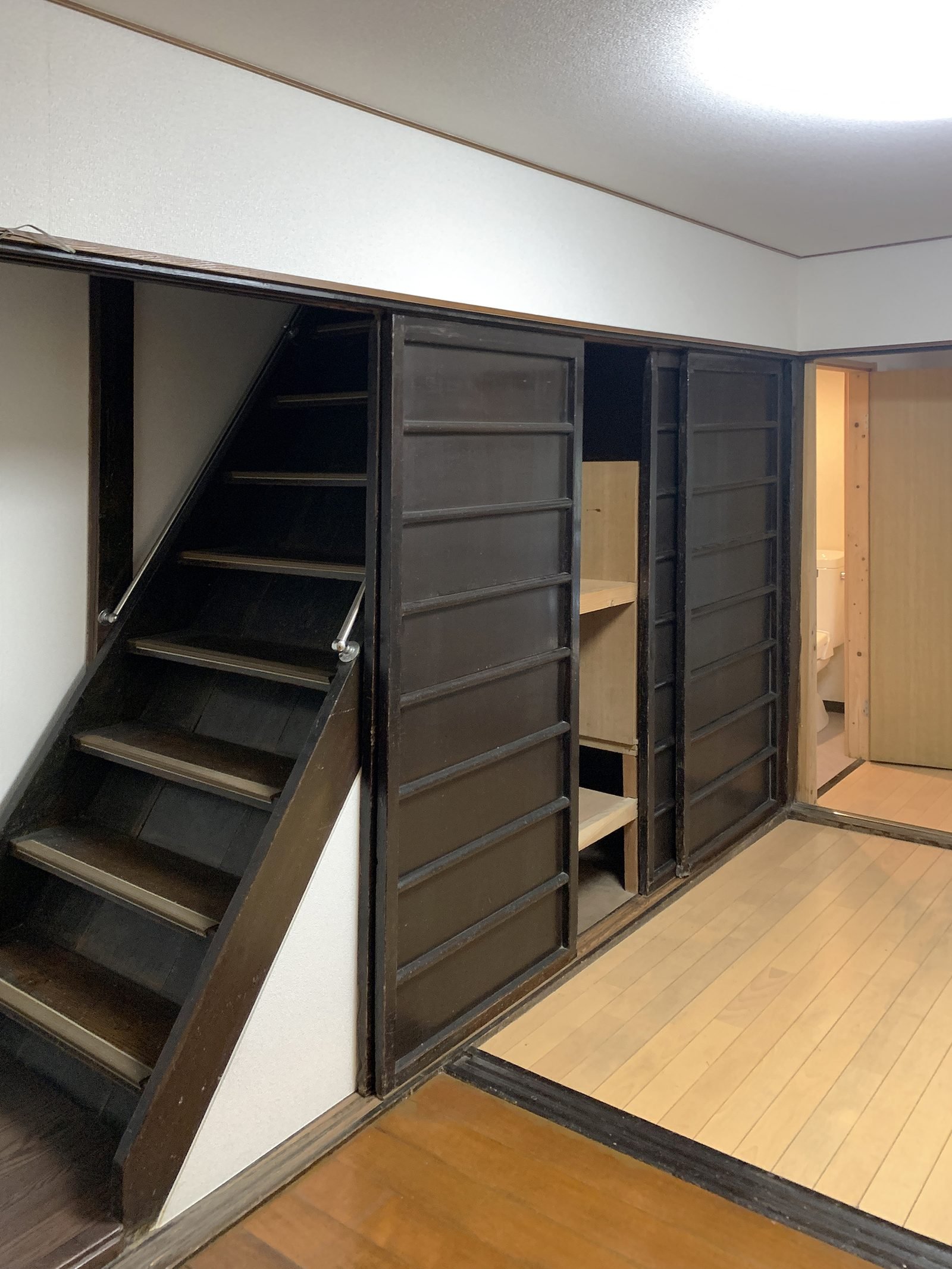
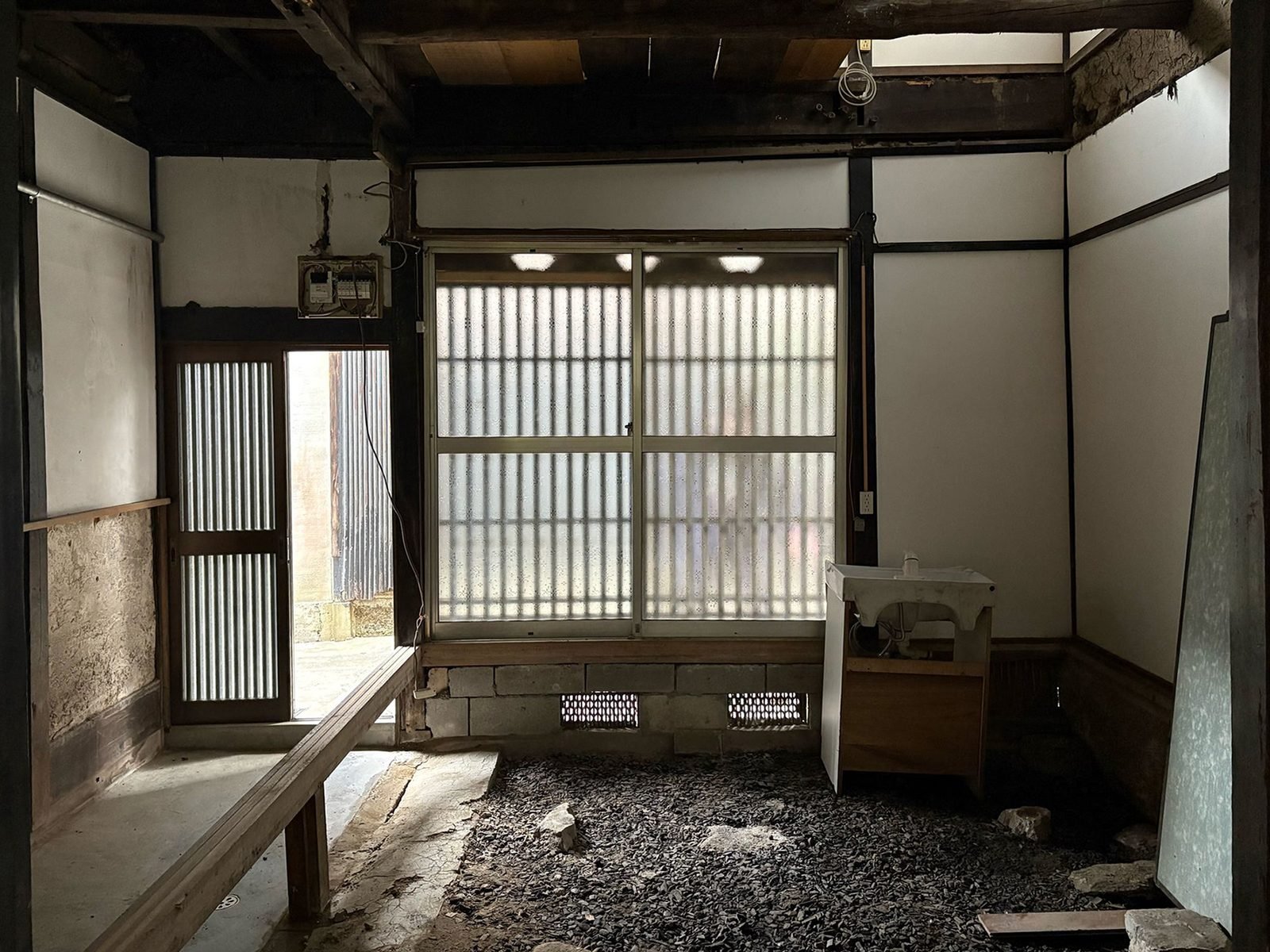
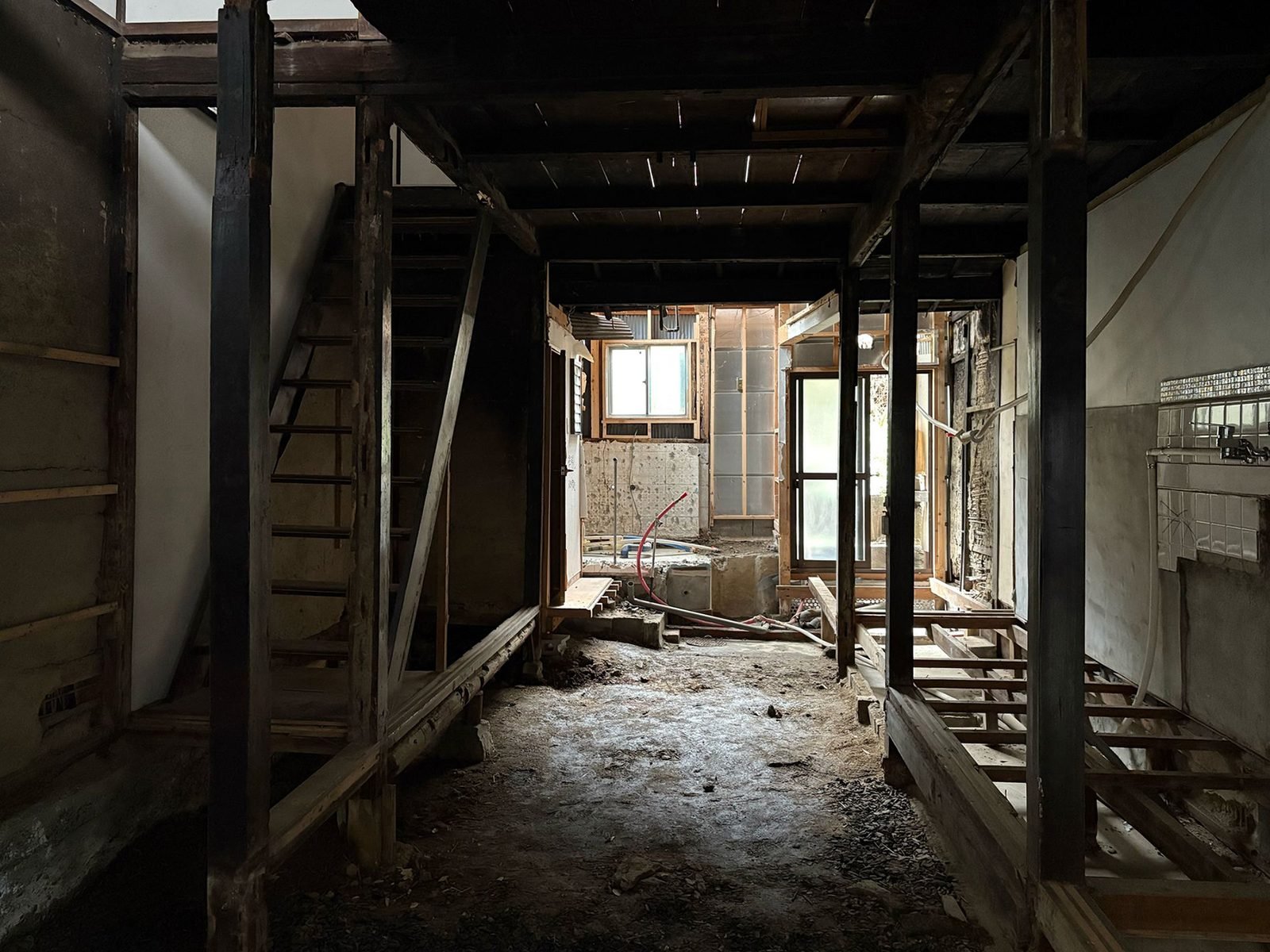
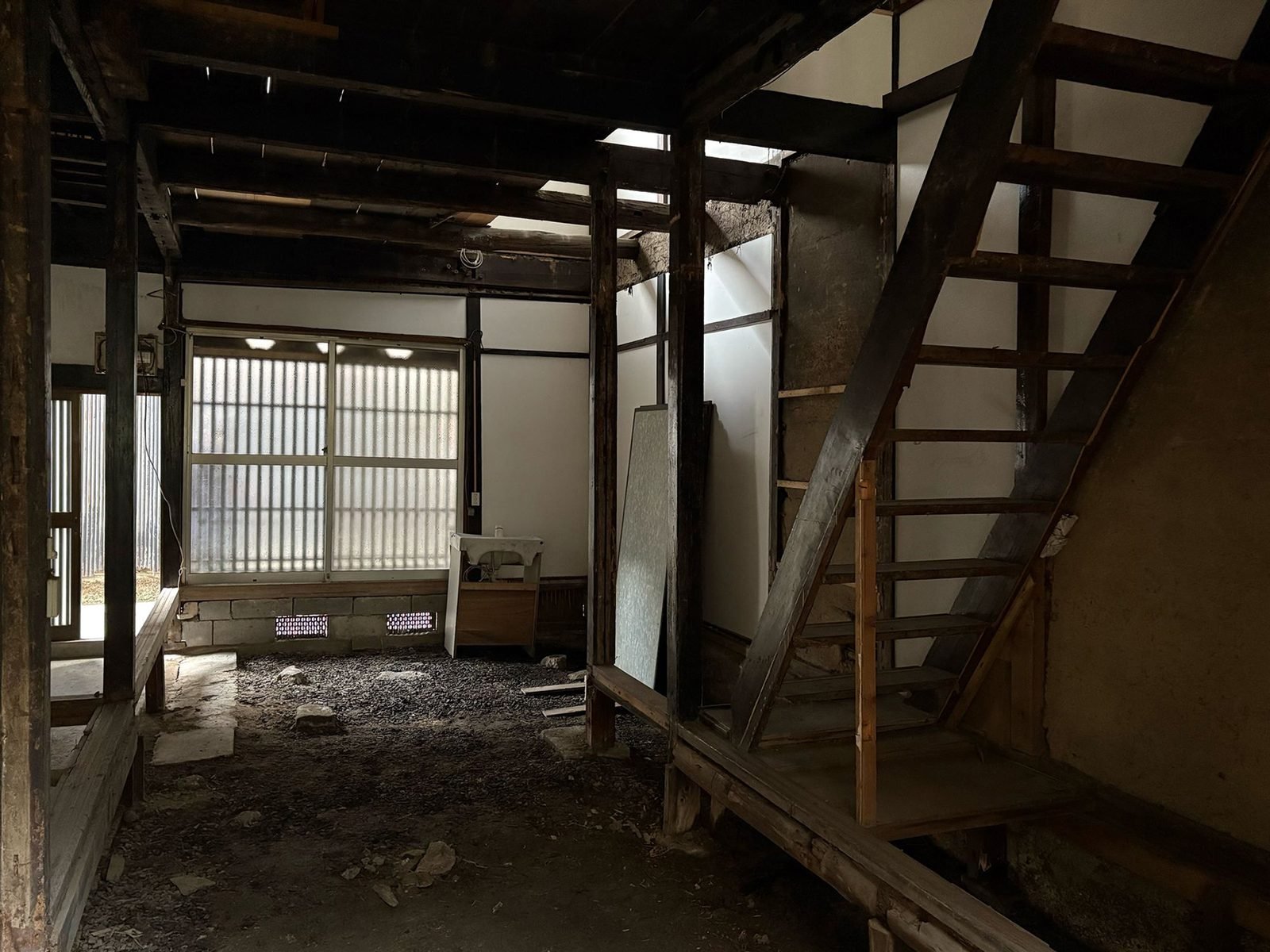
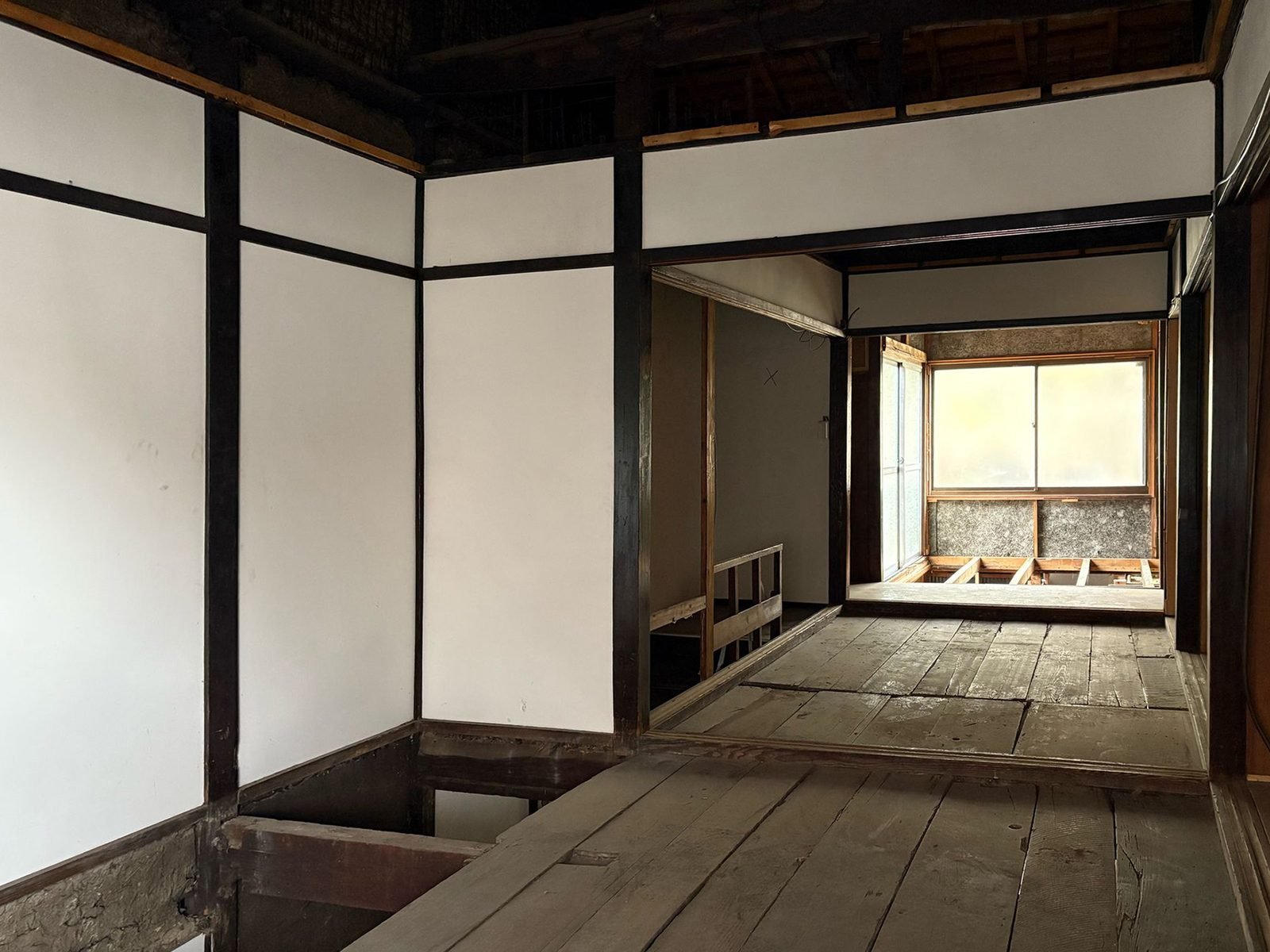
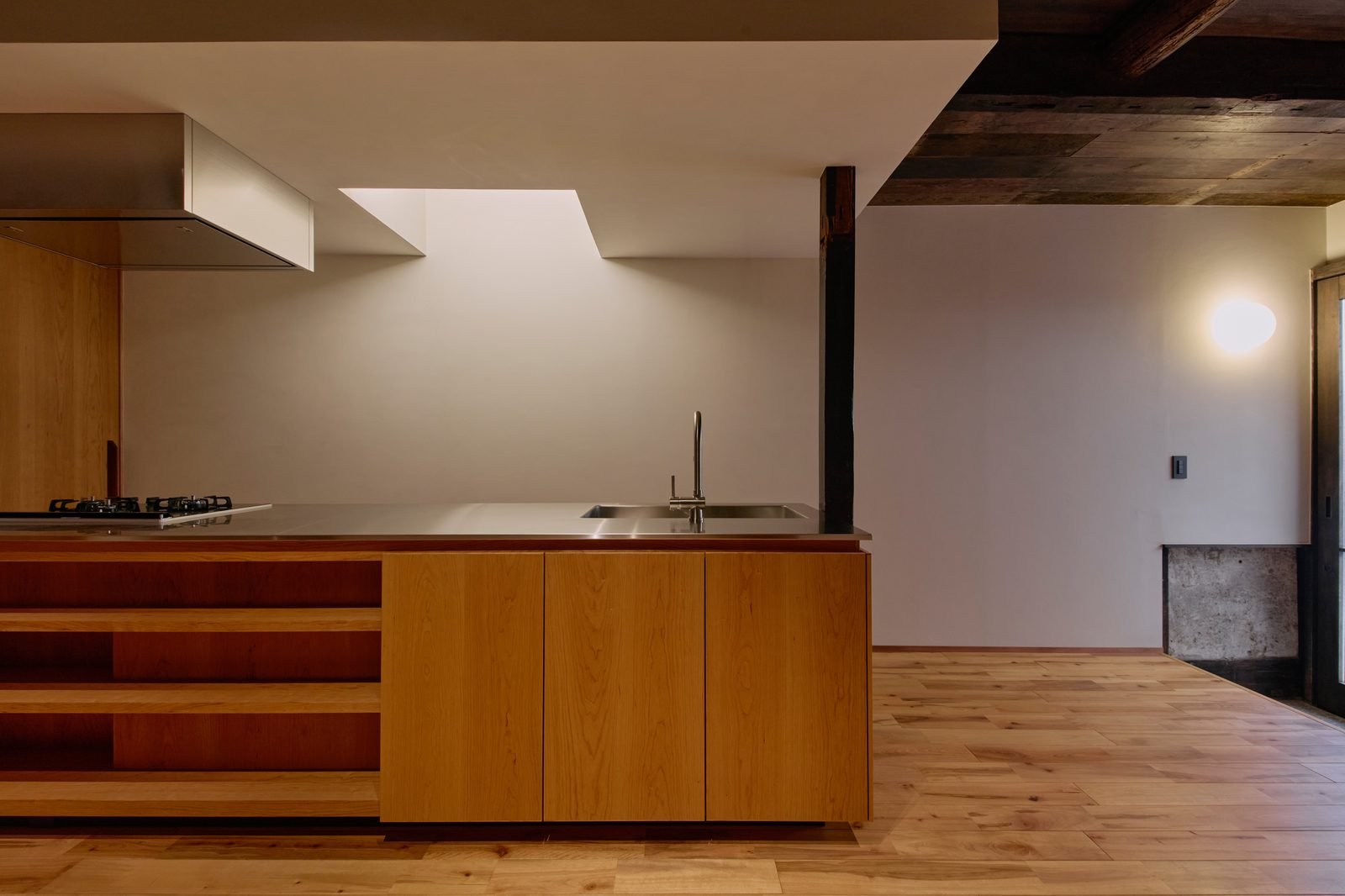
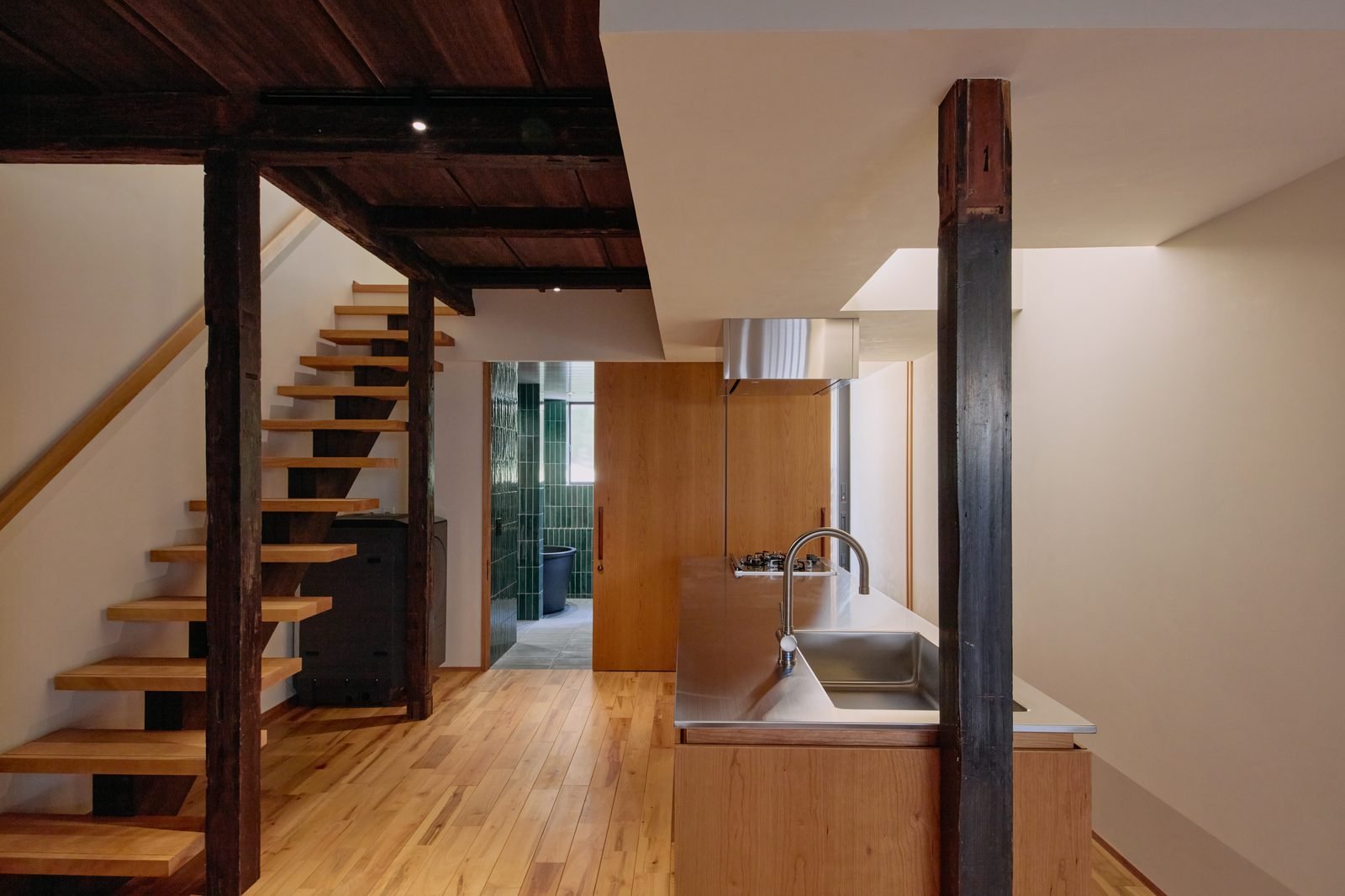
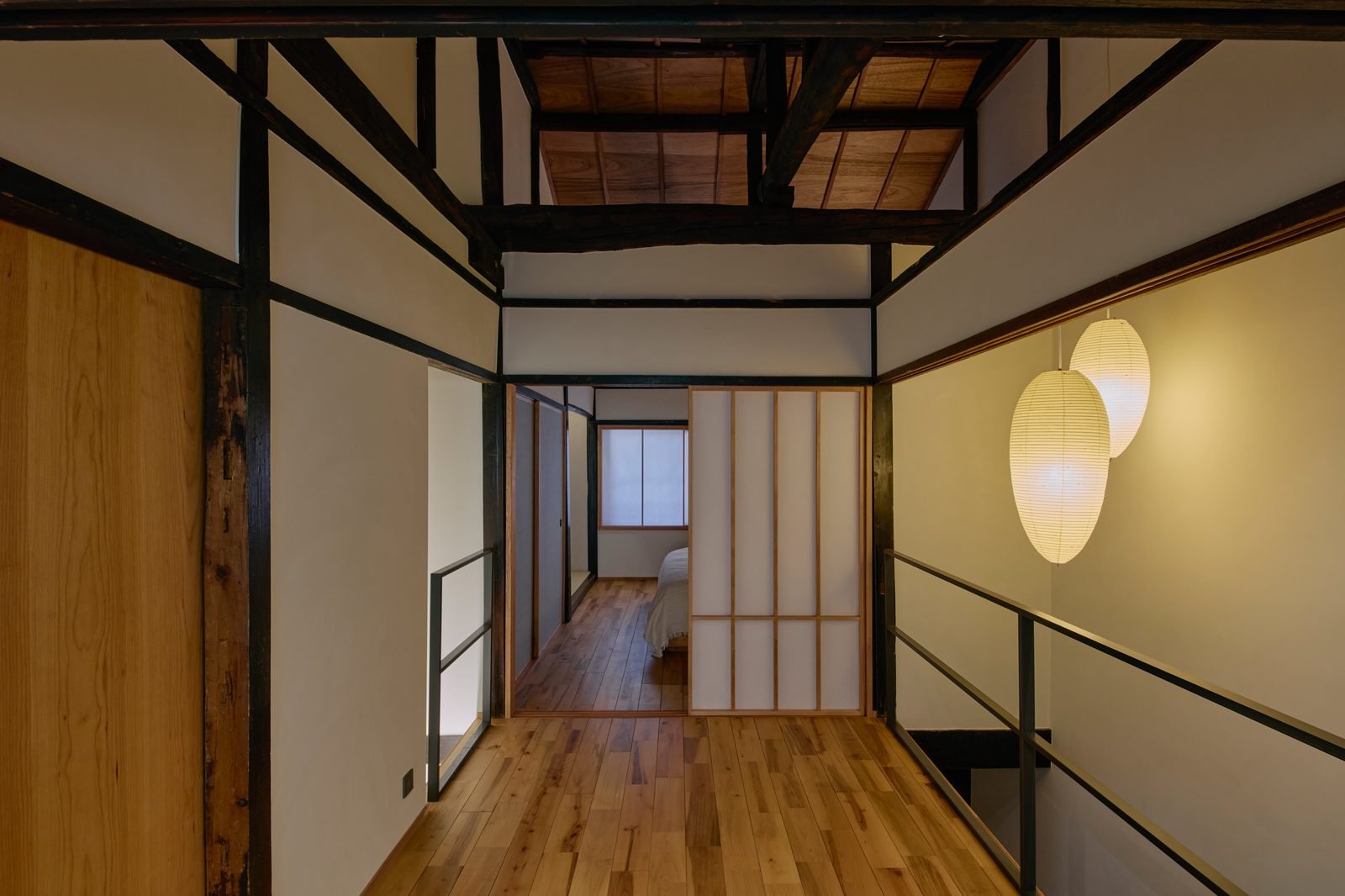
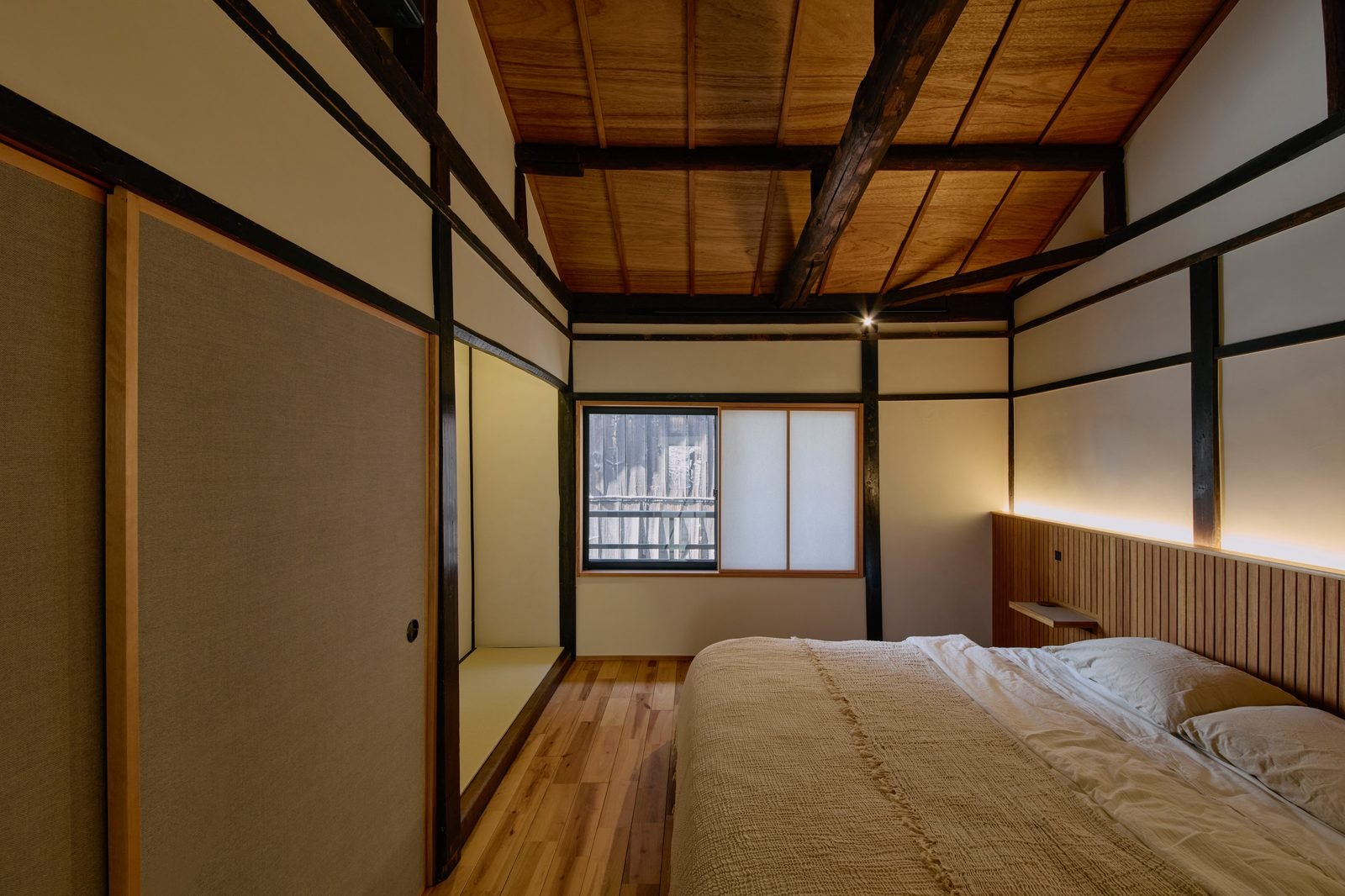
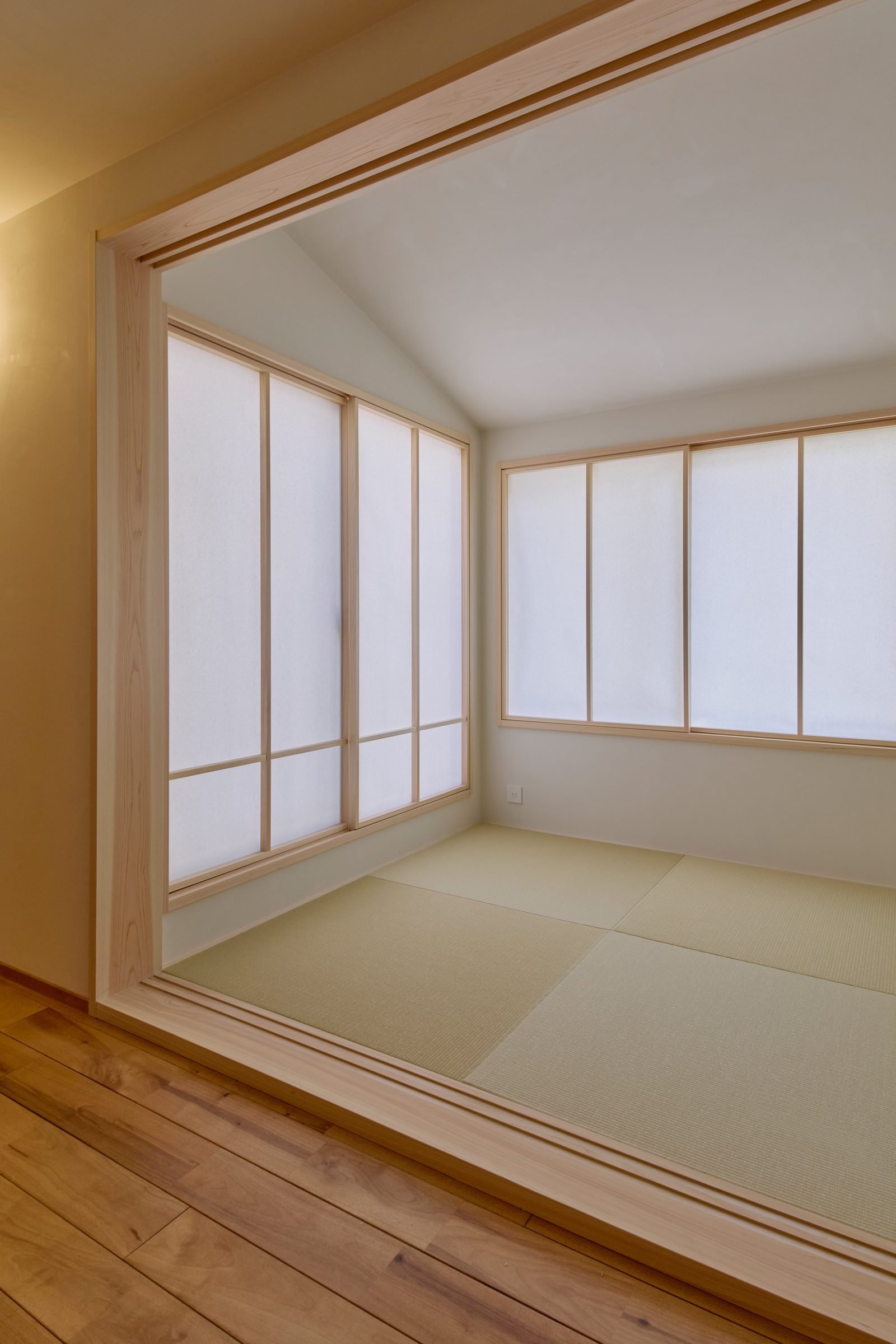
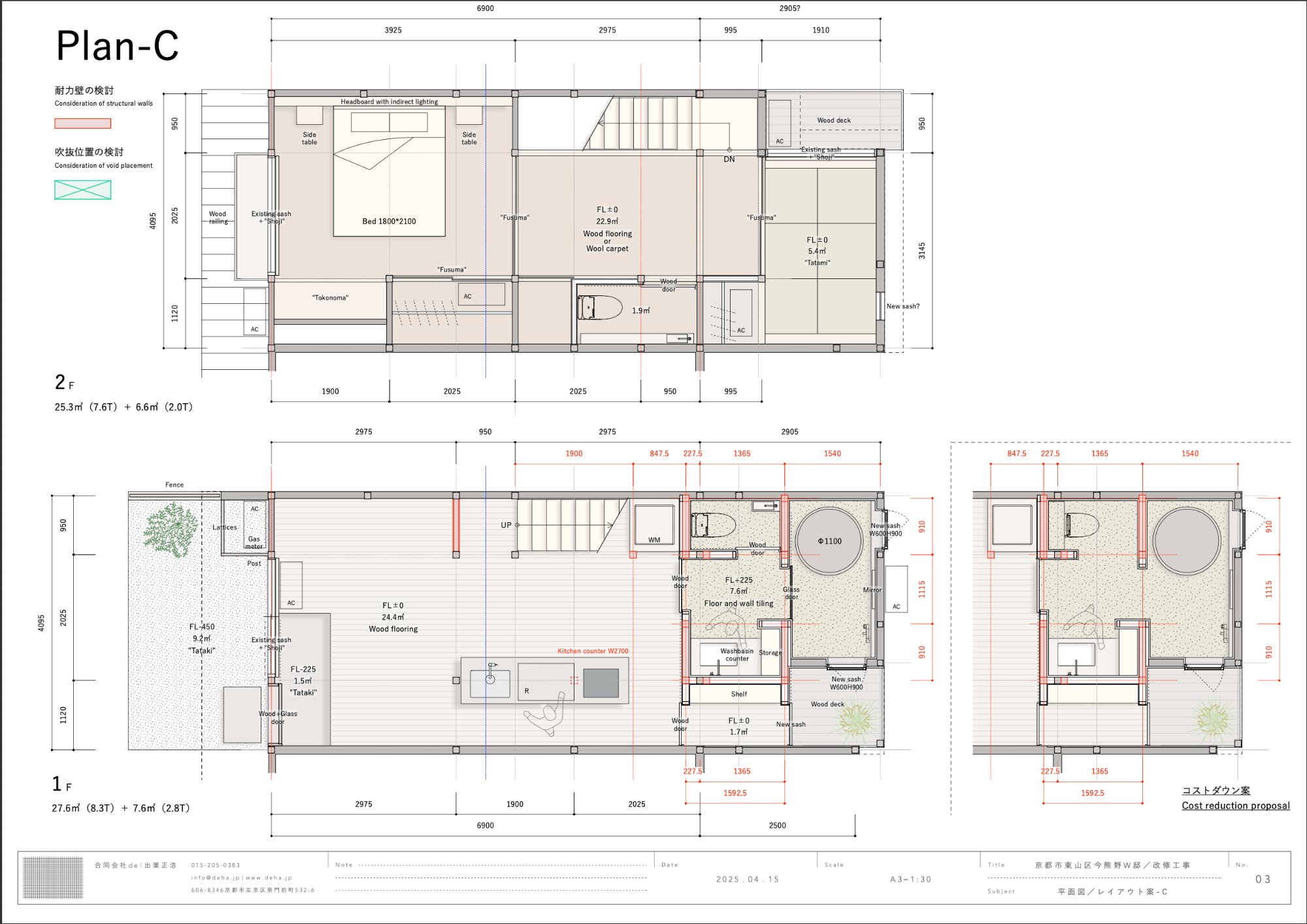
During the post-war period, dropped ceilings were added to improve thermal efficiency, concealing the original roof structure and compressing the spatial proportions that gave the home its character. The recent renovation carefully removed these ceilings, revealing historic beams and restoring the original double-height volume of the second floor.
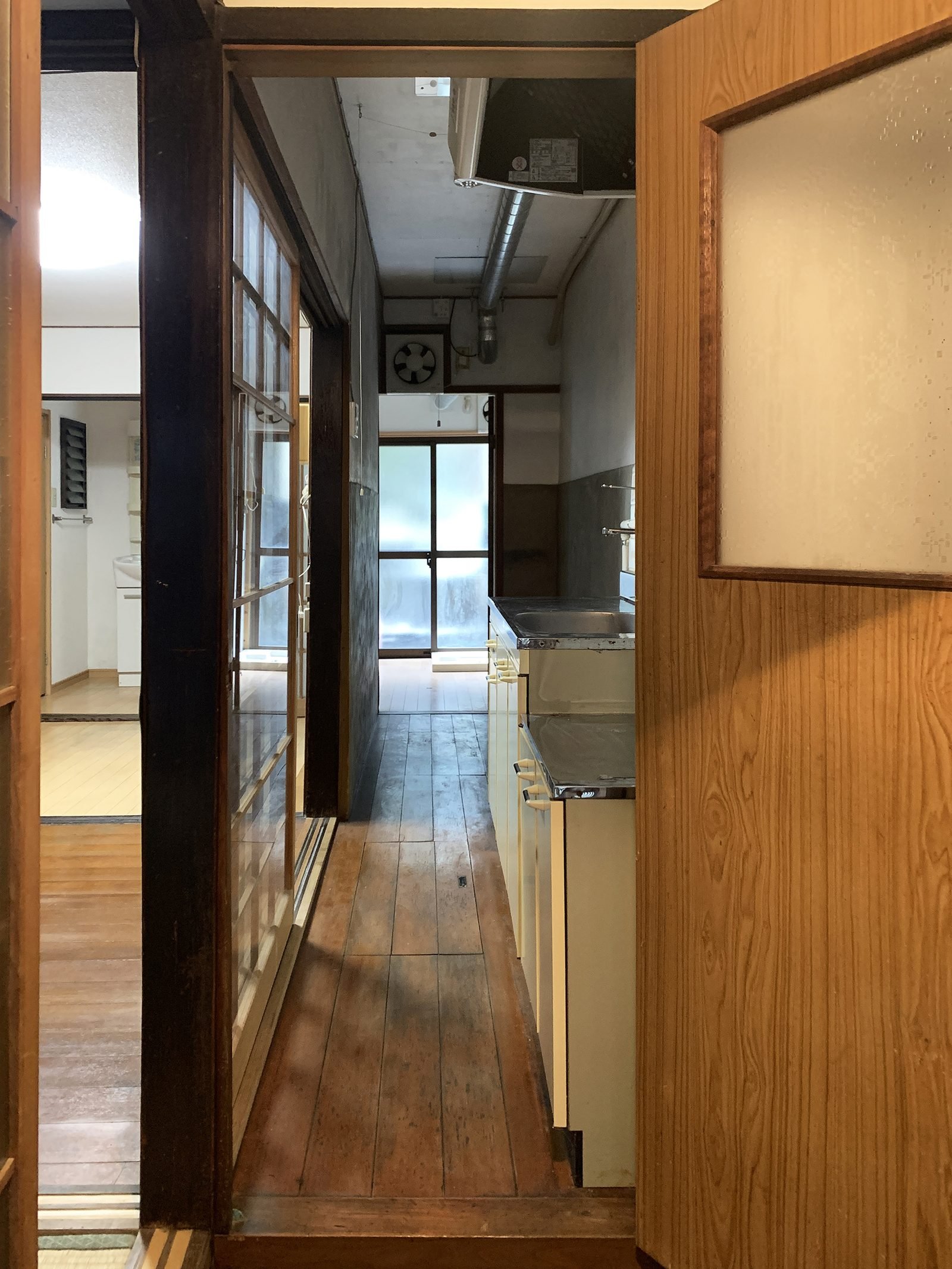
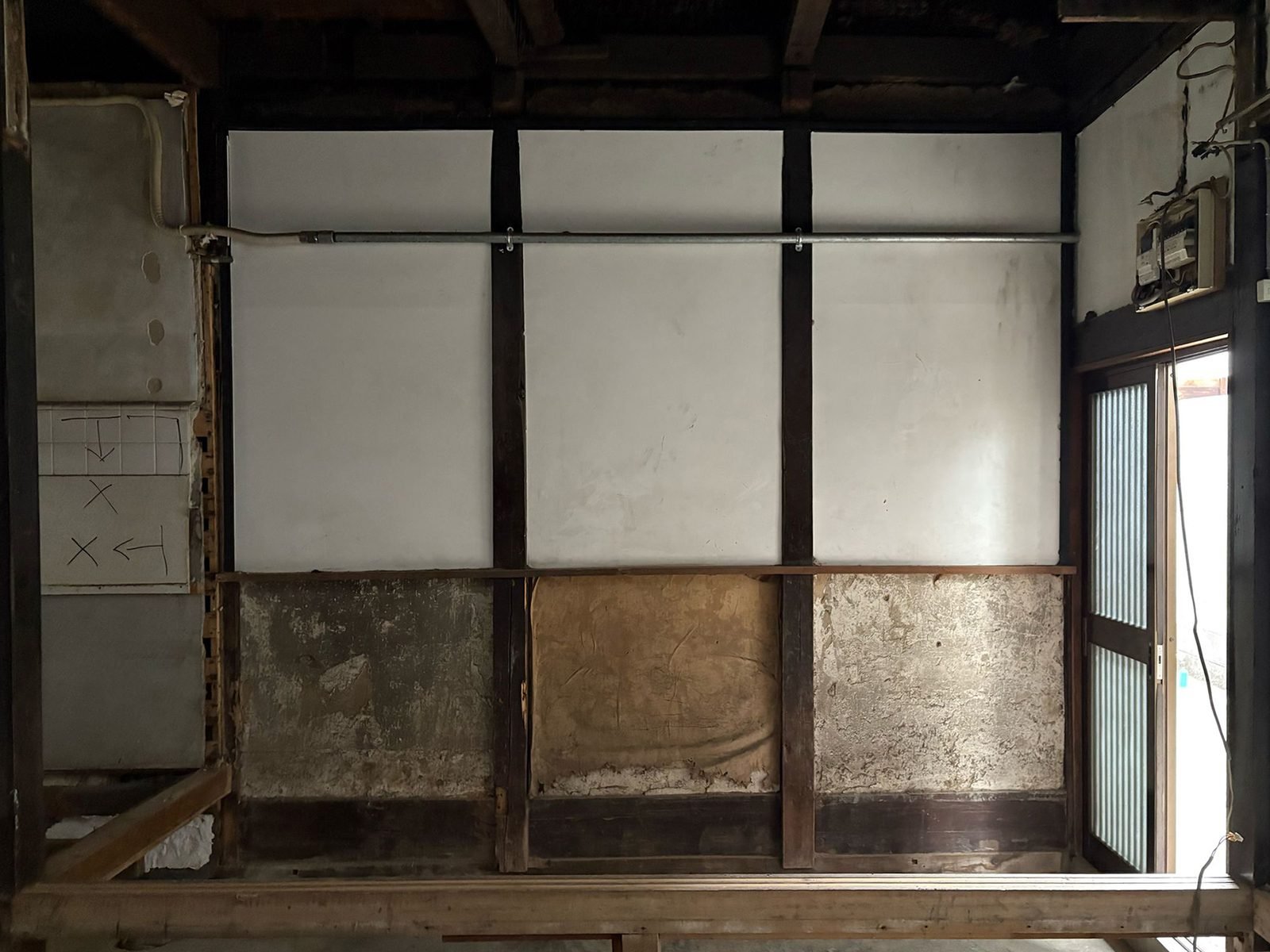
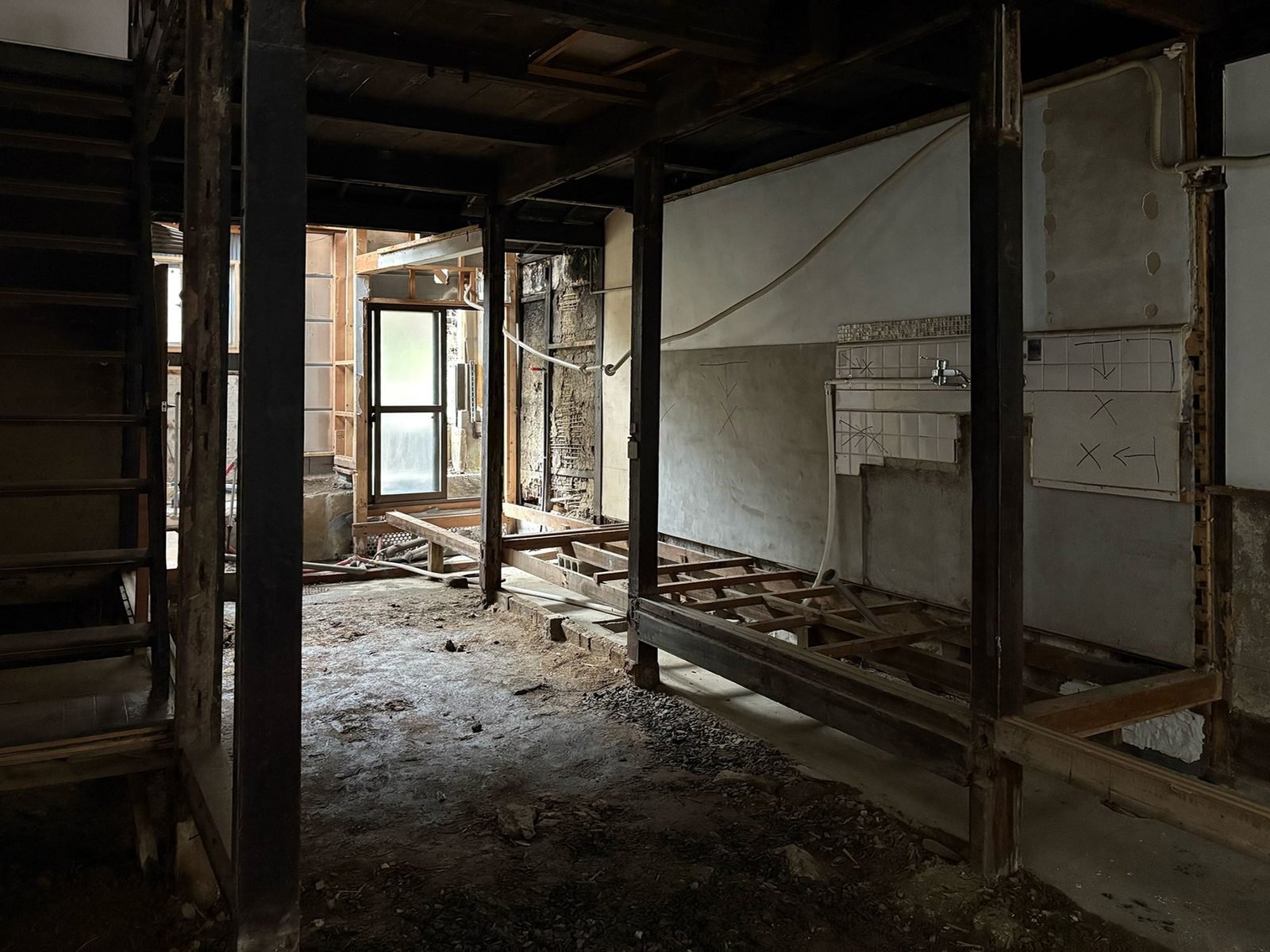
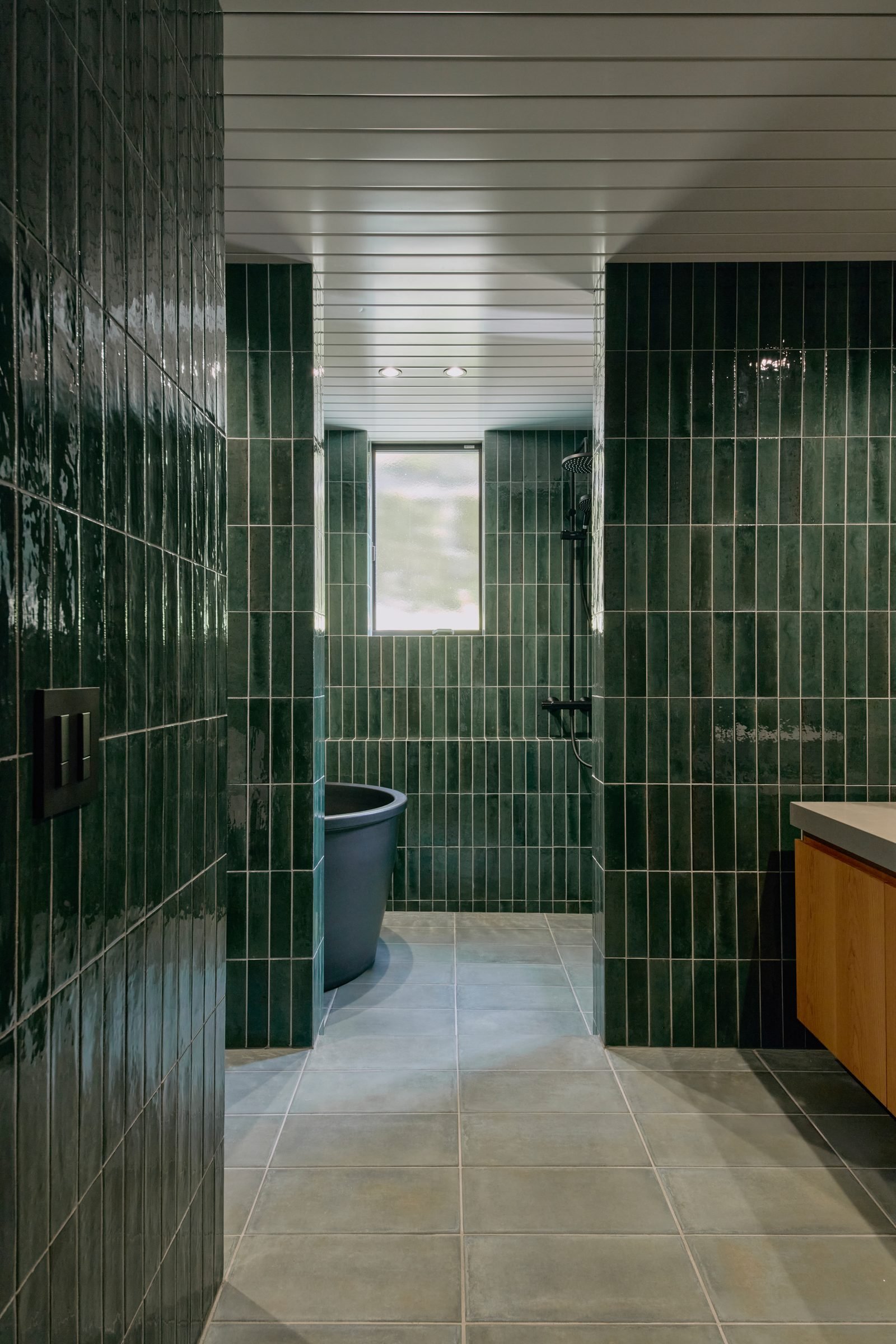
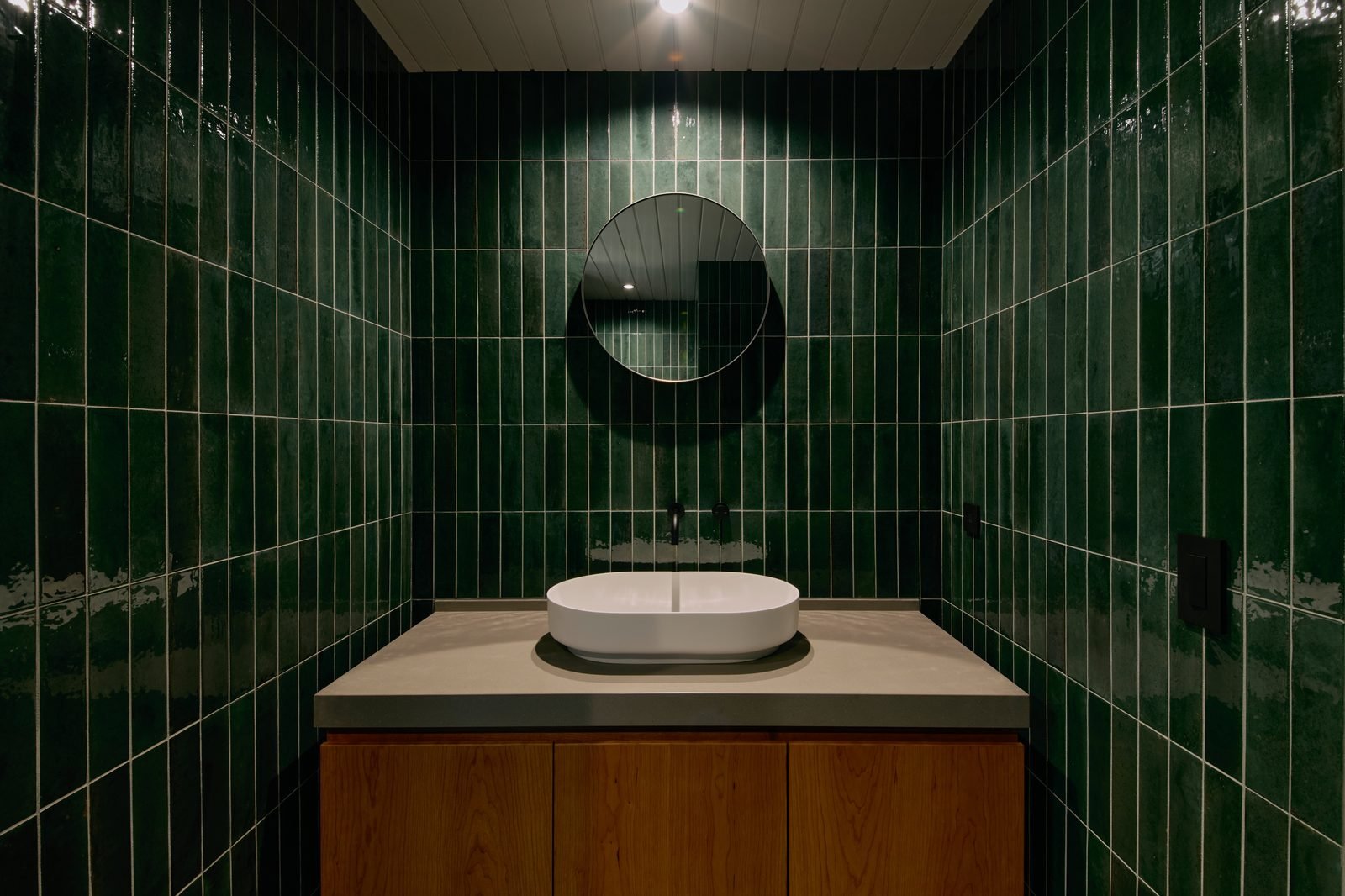
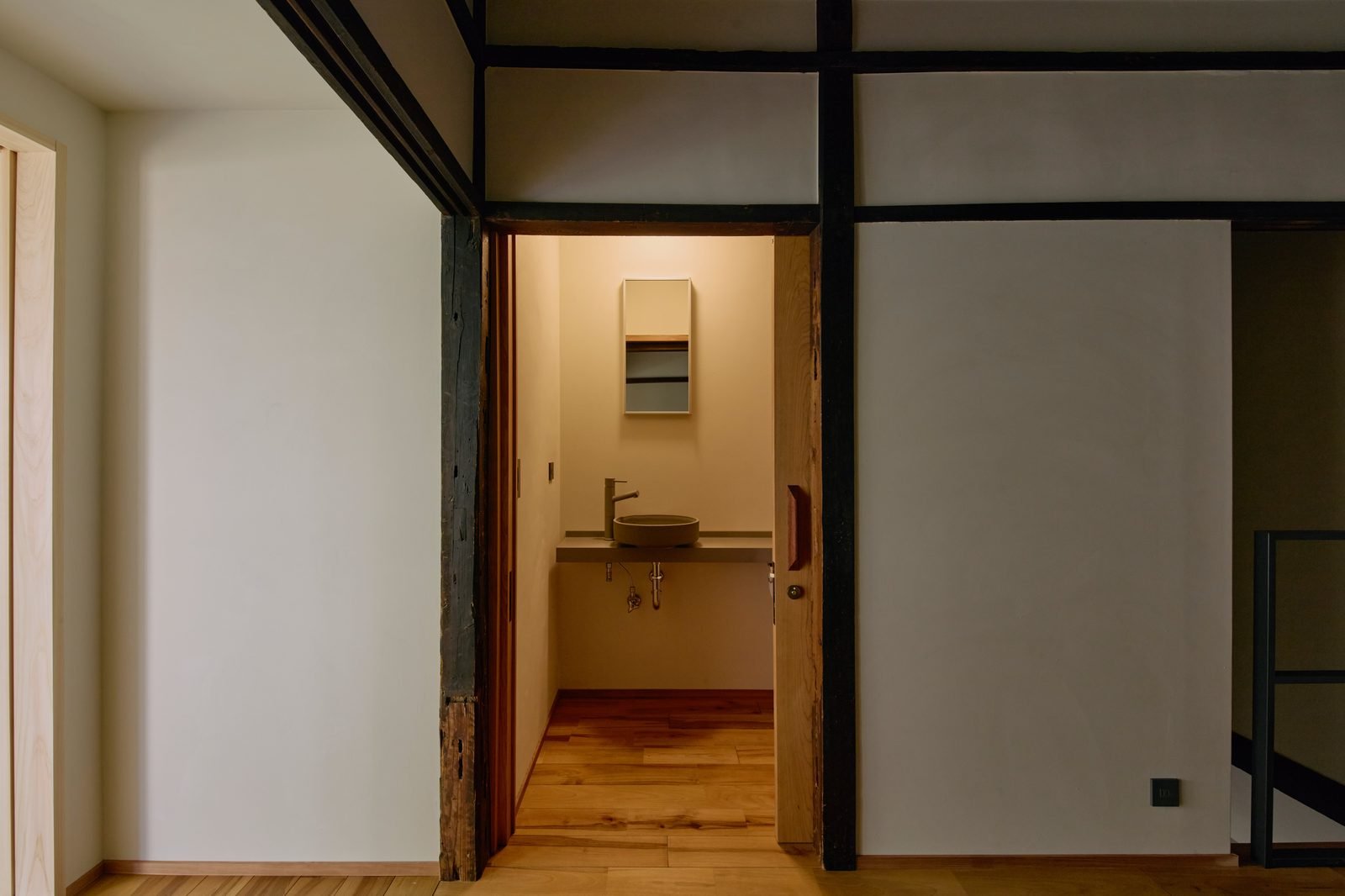
Modern interventions — a concrete foundation, insulation, and updated utilities and facilities — were introduced discreetly, respecting the material language of the original structure. What was preserved was kept with care; what was replaced was chosen with intention.
Period
Early Shōwa (1929)
District
Higashiyama
Renovation
One Year